Power
Trace the measurement from utility connection to distribution panel and equipment load. Record whether auxiliary systems are included.
- Meter location
- Voltage and quality context
- Peak and average definitions
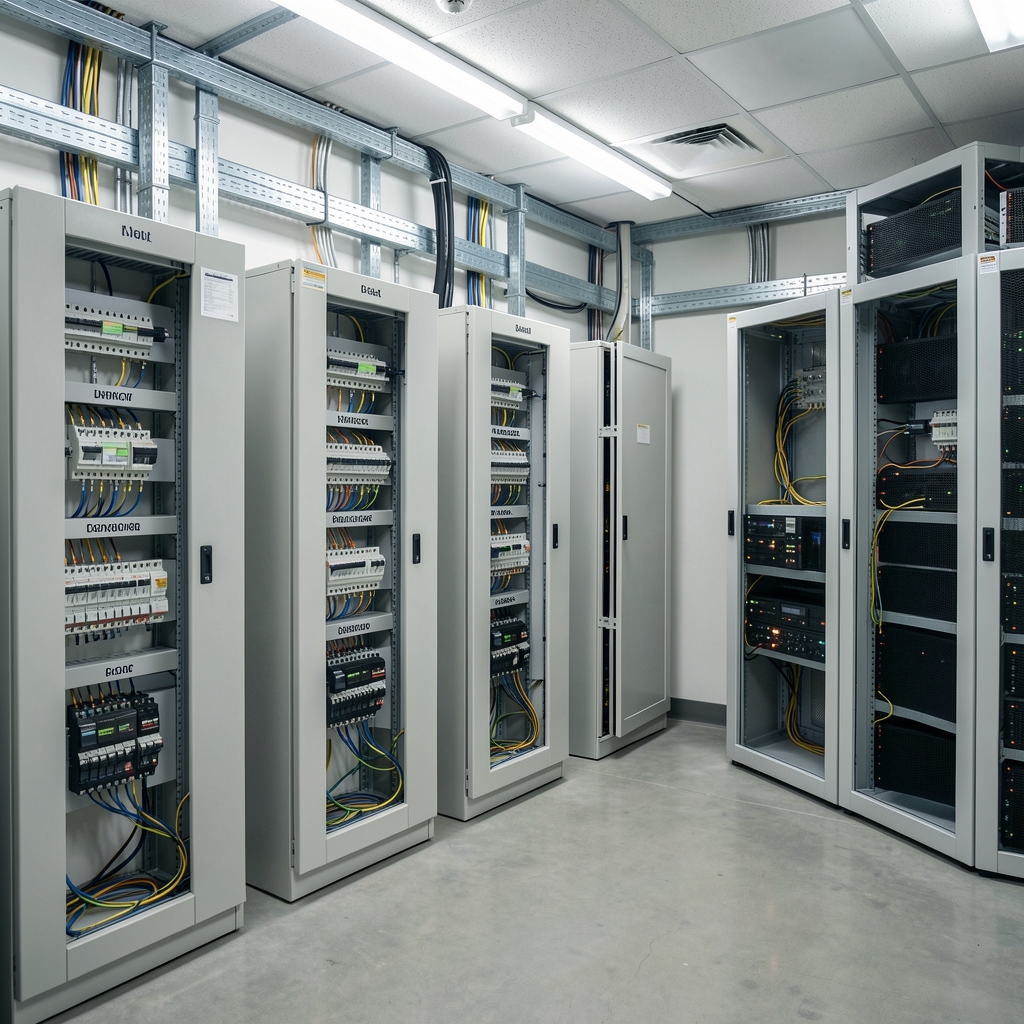
Digital asset infrastructure is also a facilities discipline. Power quality, ventilation, maintenance access and local conditions shape what equipment can do.
This guide is for education and research, not a forecast or financial recommendation. A facility description should be read with its date, boundary and operating assumptions.
Trace the measurement from utility connection to distribution panel and equipment load. Record whether auxiliary systems are included.
Heat management depends on equipment density, airflow, seasonal conditions and maintenance access.
Redundancy should be explained as a path, not a slogan. The final connection to the load may have its own limits.
A facility is a chain of dependencies; the weakest undocumented boundary can change the meaning of a headline figure.
| Measurement | May include | Should clarify |
|---|---|---|
| Machine load | Computing units and local fans | Whether inactive or standby units are included |
| Facility load | Machines, cooling, lighting and controls | Meter location and auxiliary systems |
| Energy intensity | Energy relative to output or capacity | Output definition and observation period |
| Availability | Time a system is reachable or operating | Maintenance exclusions and sampling method |
Comparing two facilities without these details can create a false impression of precision. A lower recorded load may reflect a smaller boundary rather than a more efficient system. Good documentation gives readers the ability to ask which explanation fits.
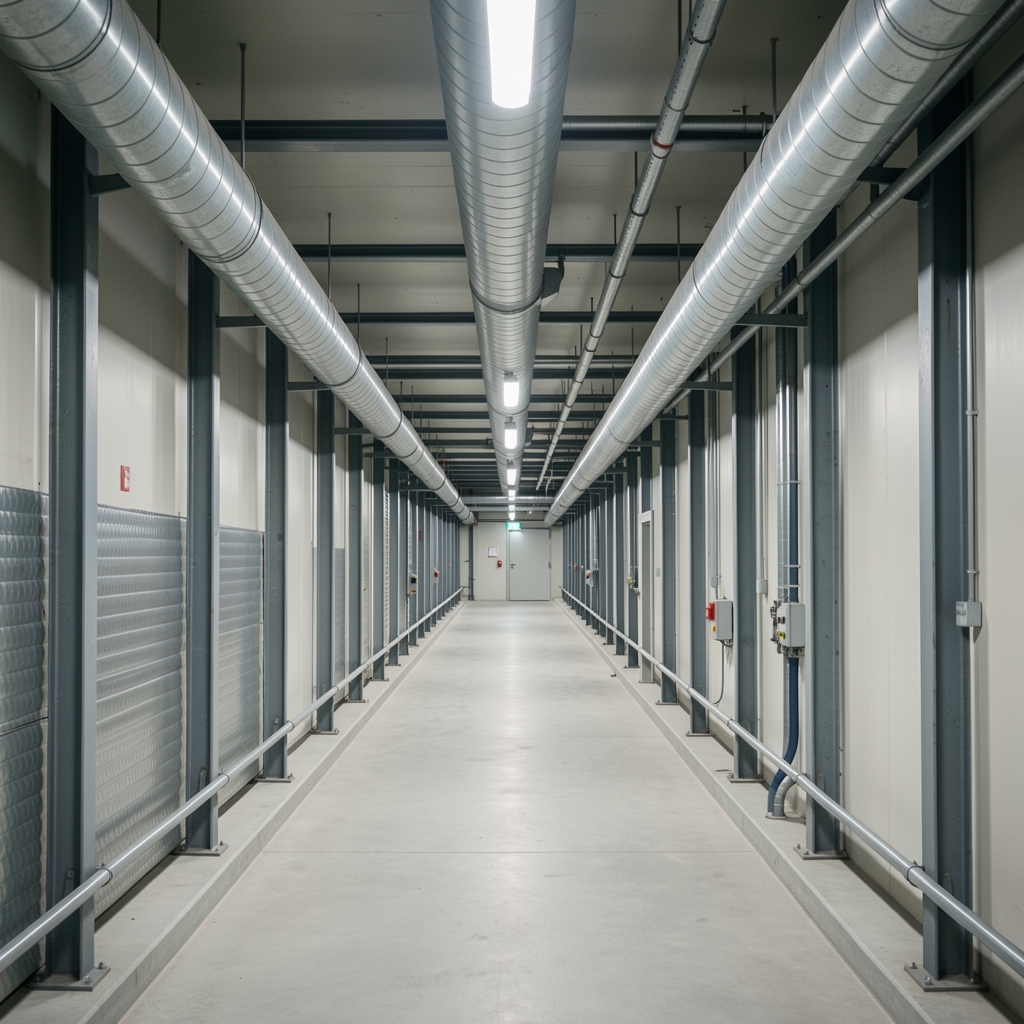
Servers, validators and network software are often discussed as if they operate in a frictionless environment. In practice, access control, spare parts, technician schedules, connectivity and heat removal shape the observed record. A photograph can provide orientation, but operational claims require dated documents and careful definitions.
Zafara presents this material for learning. Readers should seek qualified local advice before making decisions involving contracts, energy commitments or financial exposure.