Start here
Read the glossary, then explore the mining and staking primers. This route is suitable when the vocabulary is unfamiliar.
Open definitions →Use these starting points to compare definitions, follow updates and ask better questions about mining systems and staking projects.
The resource shelf is arranged for independent learning. It does not rank services, promise outcomes or replace professional advice. Each link is intended to help a reader understand a source, a process or a technical vocabulary.
Suggest a source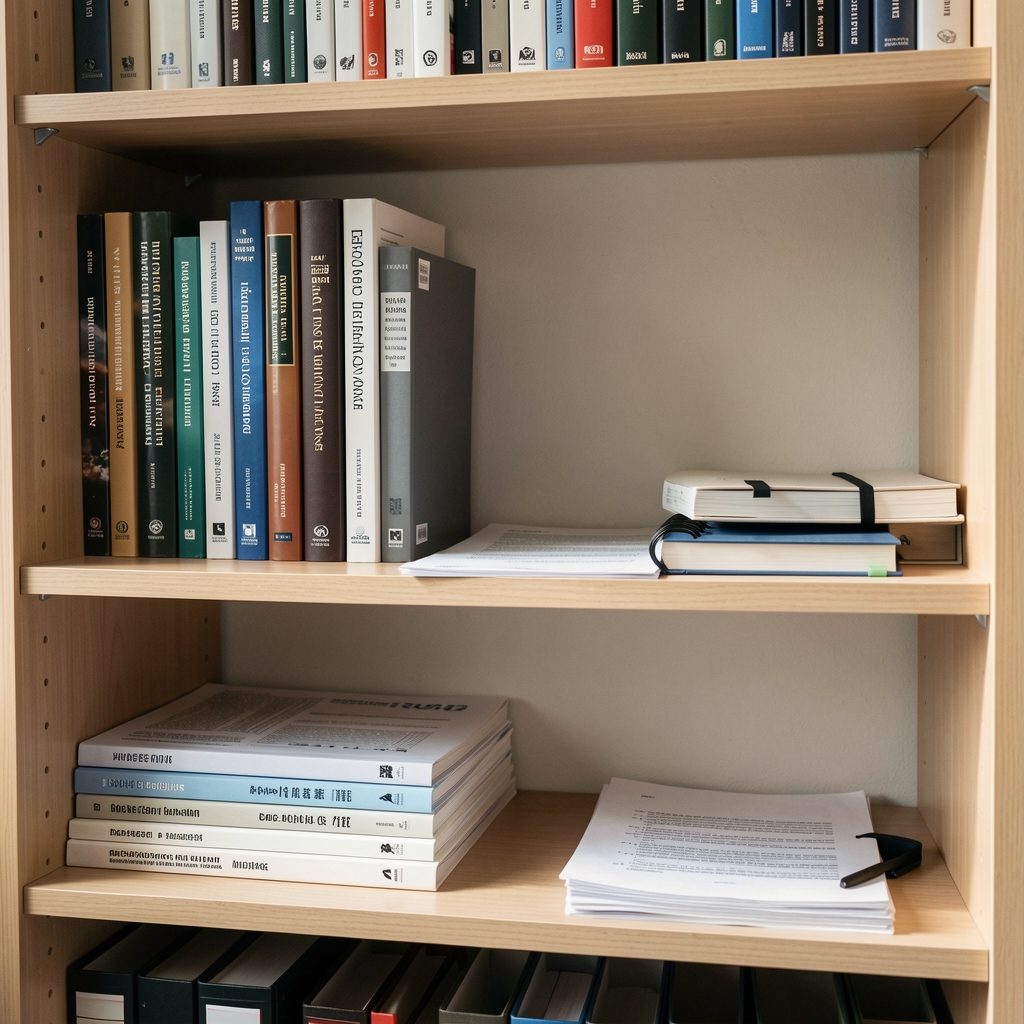
Read the glossary, then explore the mining and staking primers. This route is suitable when the vocabulary is unfamiliar.
Open definitions →Use the integration and infrastructure guides to map evidence across equipment, facilities, software and governance.
Open systems desk →Read our methodology and editorial policy before evaluating a report or a source-based claim.
Read methodology →A good resource does not end the question; it helps a reader ask the next one more precisely.
| Reader need | Recommended route | What to record |
|---|---|---|
| Learn terminology | Glossary then staking or mining primer | Definition, unit and source date |
| Study facility conditions | Energy and infrastructure guide | Boundary, season and maintenance state |
| Assess source quality | Methodology and editorial policy | Attribution, version and uncertainty |
| Follow a regional question | Korea digital asset infrastructure | Jurisdiction, language and current rule |
Readers should open the linked page and check its date rather than relying on a saved excerpt. A source may be corrected, archived or replaced. Keeping a small reading log makes later comparison more reliable.

Printed documents, source notes and a dated archive can make a complex subject easier to revisit. The visual arrangement is only an invitation to read; evidence remains in the underlying document and its stated limitations.
Questions about a resource can be sent to 346, Hyoryeong-ro, Seocho-gu, Seoul, 06775, or +82-2-7143-6987.