Mining systems
How ASIC generations, thermal design, firmware and facility planning shape operational decisions.
Read the hardware desk →Independent reporting and practical context for readers exploring the systems, infrastructure and governance behind digital asset networks.
Unlocking advanced strategies for sustainable cryptocurrency acquisition and hardware optimization through expert insights and robust integration frameworks.
Zafara maps the moving parts of an emerging technical field without presenting market forecasts or financial recommendations.
How ASIC generations, thermal design, firmware and facility planning shape operational decisions.
Read the hardware desk →A clear look at validator roles, delegation mechanics, governance and operational trade-offs.
Explore staking research →Frameworks for connecting monitoring, energy data, custody procedures and reporting workflows.
Review our framework →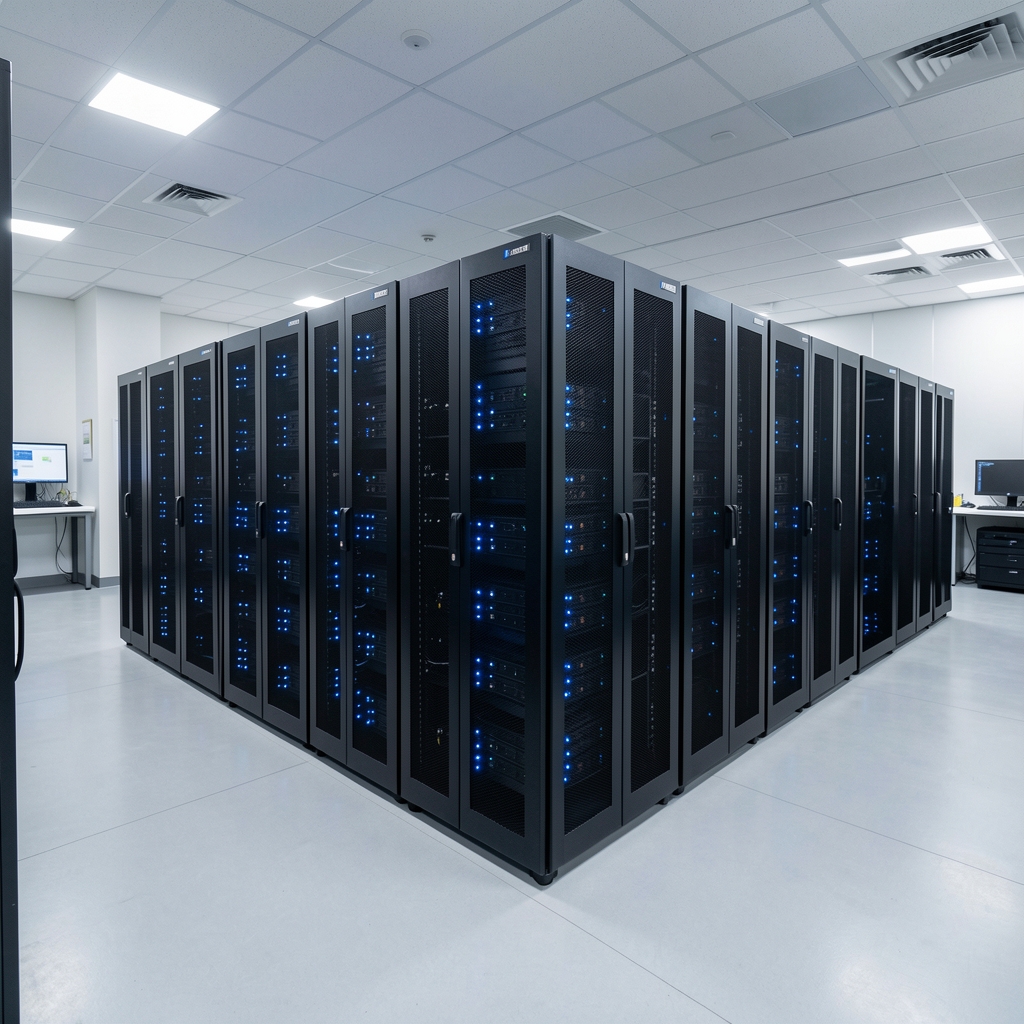
Behind every network headline are physical systems: power distribution, cooling, network redundancy, maintenance schedules and careful measurement.
Our reporting identifies assumptions and points readers toward primary sources, because equipment availability, network conditions and project governance change over time.
Read infrastructure notesThis overview is a learning aid, not a recommendation. The relevant evidence depends on a network's rules, facility design and reporting practices.
| Area of review | Mining systems | Staking projects |
|---|---|---|
| Primary operating input | Computational hardware, electricity and cooling | Validator software, collateral rules and connectivity |
| Common evidence | Power records, equipment specifications and maintenance logs | Protocol documents, validator disclosures and governance records |
| Operational question | How does a facility measure load and thermal performance? | How are uptime, delegation and decision rights described? |
“The useful question is rarely whether a system sounds advanced. It is whether its assumptions, operating conditions and reporting boundaries are clear enough for a reader to examine.”— Zafara editorial desk, 2026
Our work separates technical description from interpretation and avoids language that suggests a particular financial outcome.
No. Zafara is an informational publication. It does not execute transactions, hold assets for readers or provide individualized financial recommendations.
We look for a clear technical question, accessible documentation and an opportunity to explain a system responsibly. Coverage is not an endorsement.
Yes. Material corrections and substantial updates are dated so readers can understand how a story developed.
Zafara operates from 346, Hyoryeong-ro, Seocho-gu, Seoul, 06775, Republic of Korea.
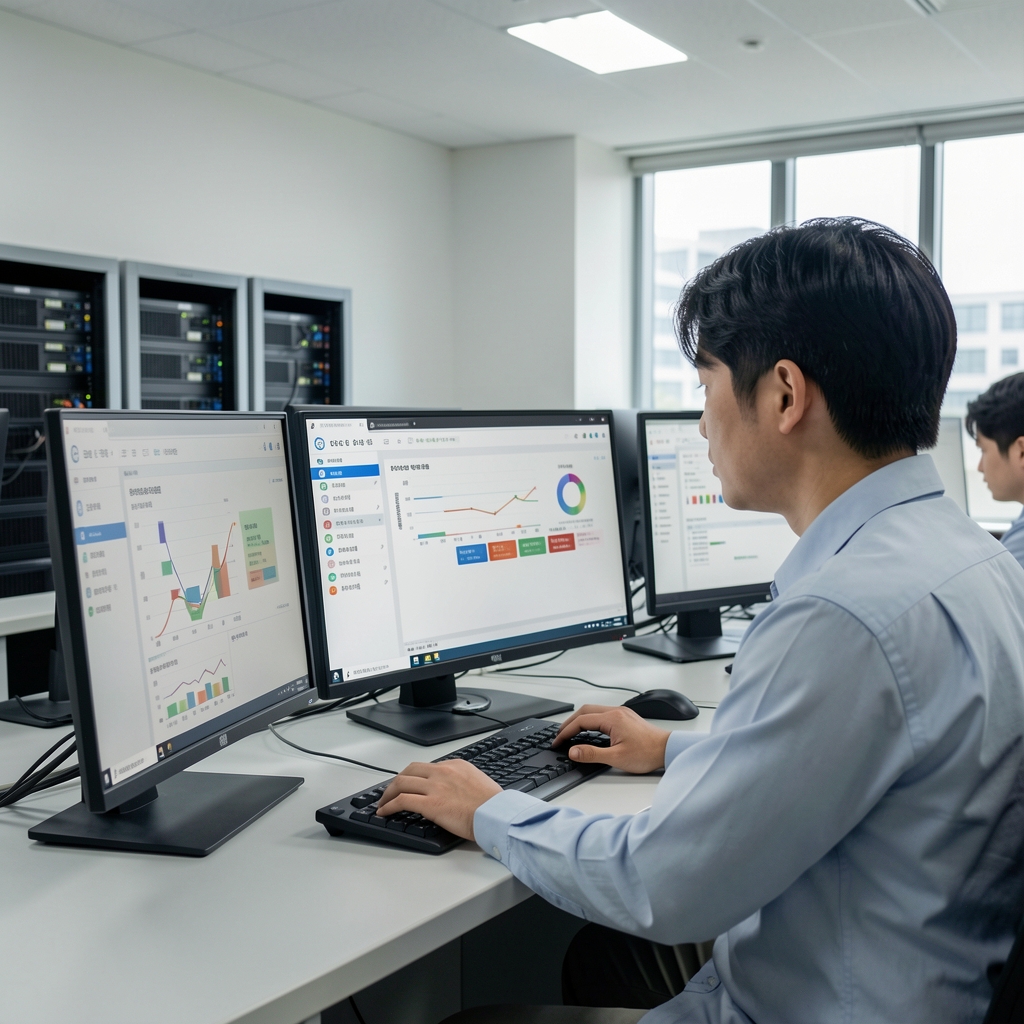
A field guide to reading operational disclosures, exclusions and maintenance windows.
Continue reading →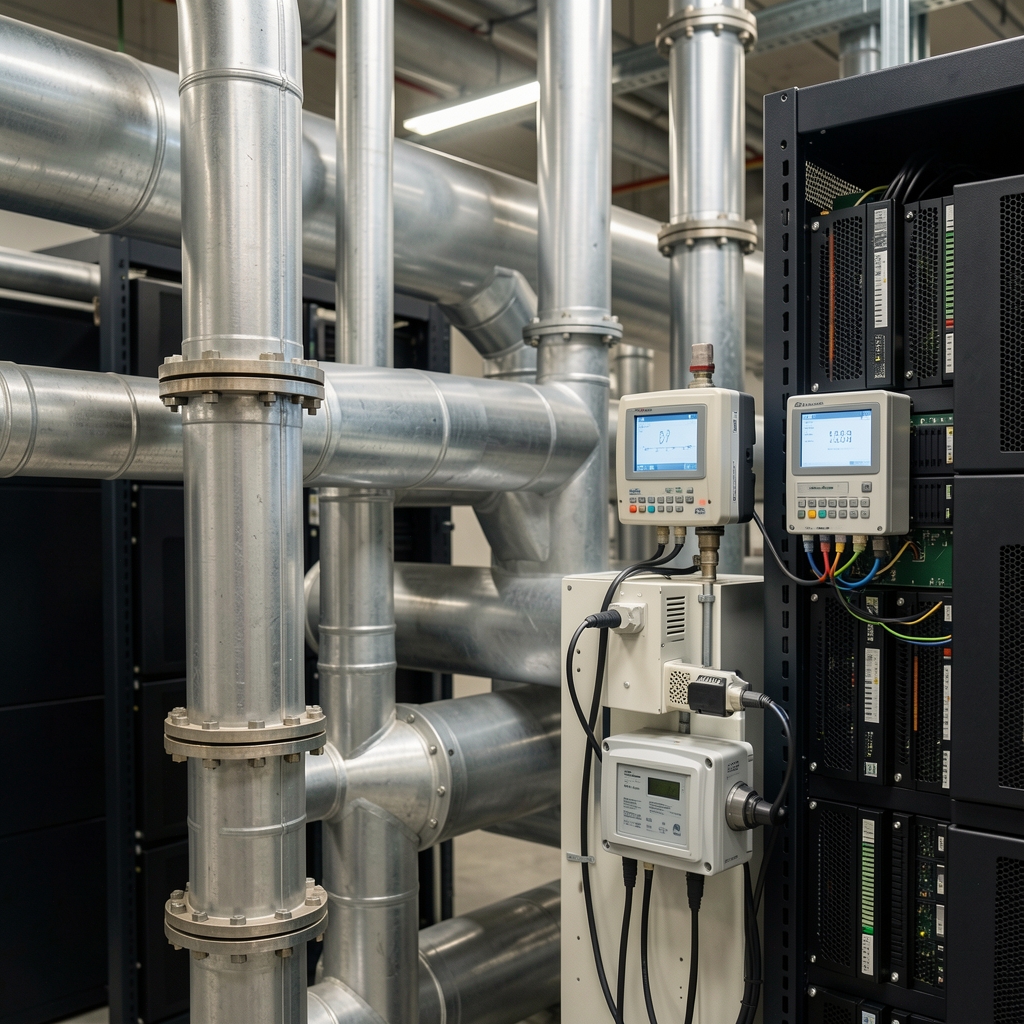
Why temperature averages alone rarely describe a facility's real operating profile.
Continue reading →A participant that helps propose or attest to network activity under a protocol's rules.
A measure of computational work performed by mining hardware over a period of time.
A process by which a participant assigns voting or validation weight under a network design.
An operational measure read alongside maintenance, hardware and reporting definitions.
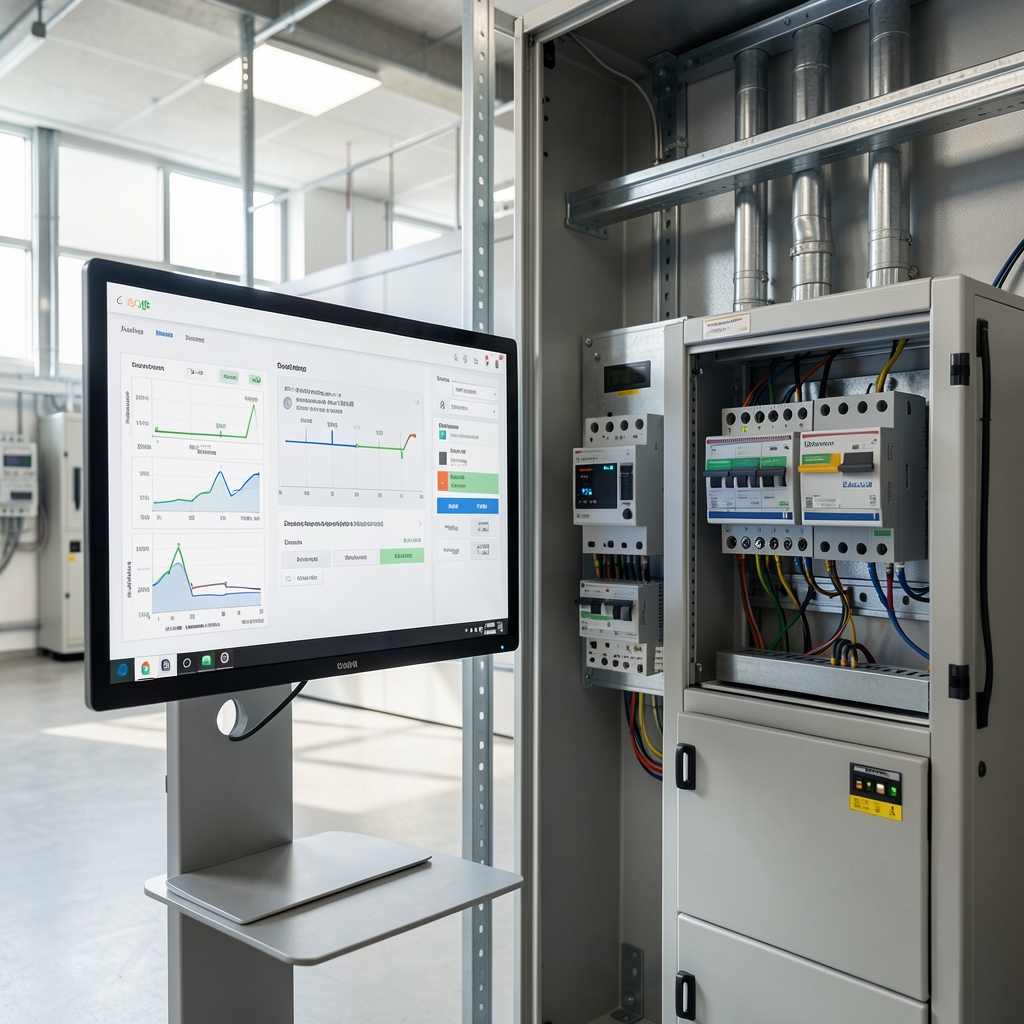
Browse practical explainers, source notes and project context prepared for readers in Korea and beyond.
Visit the resource library